Gaming Chairs for Men Who Aren't Gamers
Gaming chairs are marketed at teenagers. Some actually work for adults doing real work. Here's which.
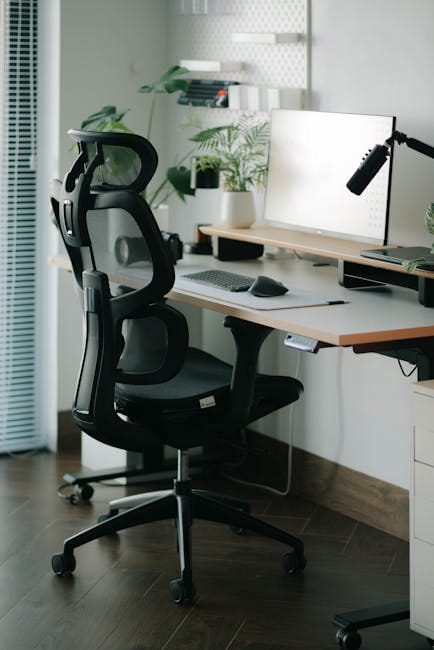
Gaming chairs are designed for a specific posture: semi-reclined, racing-car-style, with an aggressive bucket seat. That's great for looking cool in streaming videos. It's terrible for writing a 2,000-word document or sitting through back-to-back Zoom calls.
But some gaming chairs have gotten better for office use. The premium brands (Secretlab, Herman Miller x Logitech, Razer Iskur) have evolved to include better ergonomic support, meaningful lumbar adjustment, and posture options that work for long desk sessions. For someone who wants the gaming chair aesthetic without the gaming chair ergonomics, these are the options.
Here's which gaming chairs actually work for office work, and which you should avoid even if they're on sale.
The actually-good gaming chairs for office use
Secretlab Titan Evo 2022 — $549
The best gaming chair for non-gamers, full stop. Magnetic head pillow (adjustable, doesn't slide). Integrated lumbar support that adjusts in four directions. 4D armrests. Cold-cure foam that doesn't sag for years.
For office use: the chair can be adjusted to a mostly-upright posture where the bucket seat and high back still provide support but aren't forcing a gaming pose. I've done 8-hour workdays in a Secretlab without discomfort.
The downside: still aggressive styling. Even in "classy" colors, the chair has visible Secretlab branding and the racing-seat silhouette. In a boring office or on Zoom calls, it looks more gaming than executive.
Herman Miller x Logitech Embody Gaming Chair — $1,795
The gaming edition of Herman Miller's legendary office chair. Identical ergonomics to the Embody, with additional cooling foam technology and slightly different aesthetic.
For serious office use: this is genuinely one of the best office chairs made. The pixelated support structure is better than standard gaming chair designs.
At $1,795, it's expensive. But it's also a Herman Miller — a furniture piece that lasts 25+ years with proper care. The cost per year of ownership is reasonable.
Razer Iskur V2 — $599
Razer's office-focused gaming chair. Built-in lumbar support, 4D armrests, reclines to 152 degrees.
For office use: the lumbar support is genuinely useful. The chair's posture is less aggressive than typical gaming chairs. Good for extended sitting sessions.
Less refined than Secretlab in fit and finish. The fabric options are fewer. The magnetic head pillow is smaller than Secretlab's.
Gaming chairs that are bad for office work
Most chairs under $300. The foam isn't dense enough to support long sessions. The bucket seats are too aggressive for neutral posture. Lumbar "pillows" attached via elastic bands shift during normal use.
DXRacer chairs in general. The brand was early in the gaming chair space but hasn't kept up with ergonomic research. Fit is awkward for adults over 6 feet or over 200 pounds.
"RGB" gaming chairs with LED strips. Gimmick that adds cost without function.
Chairs that include integrated speakers. The speakers are usually mediocre and the integration adds failure points.
Cheap "racing" chairs from Amazon under $200. The materials are flimsy, the foam compresses quickly, and the hydraulics fail within a year.
The bigger truth
If you're serious about office ergonomics, a proper office chair (used Herman Miller Aeron for $500-700 on the used market) is better than any gaming chair at the same price.
Gaming chairs are primarily an aesthetic choice. You like the look, you pay for the look. Some are genuinely good; many are style over substance.
For pure ergonomic optimization: Aeron. For gaming chair aesthetic with acceptable ergonomics: Secretlab. For premium gaming chair experience: Herman Miller Embody Gaming.
What to look for in any gaming chair
Lumbar support that actually adjusts
Avoid chairs with lumbar "pillows" attached by straps. They slide and lose position.
Look for integrated lumbar support with at least two-directional adjustment. Secretlab and Razer Iskur both offer this.
Headrest adjustment
The head pillow on most gaming chairs is a loose attachment that slides around. A magnetic head pillow (Secretlab) or fully adjustable integrated headrest (Herman Miller) stays in place.
4D armrests
Armrests that adjust in four directions (up/down, left/right, forward/back, rotate). Essential for proper keyboard ergonomics. Skip any chair without these.
Class 4 hydraulic lift
Class 4 hydraulic cylinders are rated for continuous use without failing. Cheap chairs use Class 3 cylinders that can leak over time (the seat slowly descends during the day).
Tilt mechanism
The ability to recline is essential for varied posture during long sessions. Look for multi-position locking tilt, not just on/off.
Sizing matters
Gaming chairs come in sizes based on height and weight. The Secretlab Titan Evo has three sizes: Small (under 5'6"), Regular (5'6" to 6'), and XL (6' and over).
Sit in a chair before buying if possible. The bucket seat geometry varies significantly. Some chairs fit some people; others don't. The spec sheet isn't sufficient.
Most brands have 30-day return policies. Use them if the chair doesn't work for you.
The setup
A properly adjusted gaming chair:
- Seat height: your thighs are parallel to the floor with both feet flat on the ground.
- Lumbar: the chair's lumbar support touches your lower back.
- Armrests: elbows at 90-degree angles when hands are on keyboard.
- Recline: slight recline (100-110 degrees) is better than bolt-upright for long sessions.
- Headrest: supports your head naturally without pushing it forward.
Adjusting a gaming chair correctly takes 5 minutes and significantly changes the experience. Most people underuse the chair's adjustability.
The lifetime cost comparison
Cheap gaming chair ($150-300): replaces every 2-3 years. Total over 10 years: $750-1,500.
Mid-tier gaming chair ($500-700): lasts 7-10 years. Total over 10 years: $500-700.
Premium gaming chair ($1,000+): lasts 10-15 years. Total over 10 years: $1,000-1,795.
Used Herman Miller Aeron ($500 used): lasts 15-20 years. Total over 10 years: $500 + $100 maintenance.
The cheap route is more expensive over time. Buy once properly. The Aeron remains the cost-per-year champion of the category.
Where gaming chairs do win
Visual distinctiveness. If you stream, do content creation, or genuinely enjoy the gaming aesthetic in your workspace, a gaming chair makes the space yours.
Features the Aeron doesn't have: reclines to nearly flat (for power naps), removable head pillow (some users dislike integrated headrests on office chairs), material variety (fabric, leather, synthetic leather).
Price-to-feature ratio: at $549, the Secretlab includes adjustability that requires $200+ in aftermarket accessories on a basic office chair.
The honest recommendations
For someone who wants a gaming chair specifically for ergonomics and value: Secretlab Titan Evo 2022 at $549.
For someone willing to spend for premium: Herman Miller x Logitech Embody Gaming Chair at $1,795.
For someone who wants gaming aesthetic and office ergonomics: Razer Iskur V2 at $599.
For someone prioritizing pure ergonomics over aesthetics: used Herman Miller Aeron at $500-700 on the used market.
One more thing
Before buying any chair, evaluate whether you actually need a new one. A good $300 office chair from 2015 in the back of your garage may be better than a $200 new gaming chair from a generic brand.
The used market is where the real deals live. Office liquidations regularly sell premium chairs at 40-70% discounts. A Herman Miller Aeron from an office liquidation is the best possible value for serious ergonomics.
Gaming chairs aren't bad. They're a specific aesthetic choice. Most people over 30 are better served by proper office chairs. Some gaming chairs are genuinely excellent. Know what you're buying and why before handing over $600.