Fitness Trackers Worth Buying if You Don't Want an Apple Watch
Not everyone wants an Apple Watch. Here's what's actually good in the fitness tracker space if you want to skip Apple.
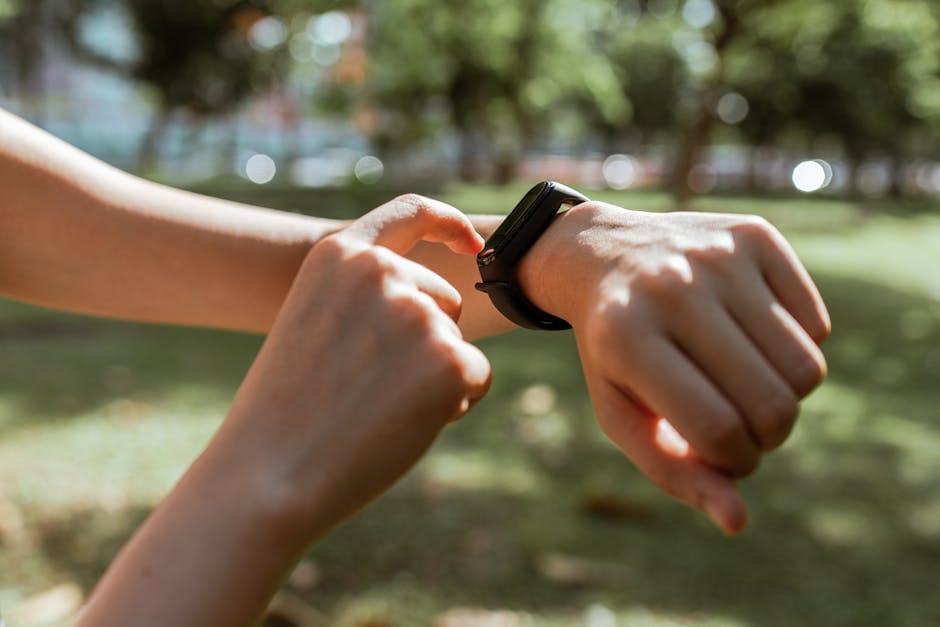
The Apple Watch is the default smart wearable for many people. But it's not the only option, and for specific fitness-focused users, it's not even the best option. The premium fitness tracker and sports watch category has several serious alternatives that excel at specific use cases Apple prioritizes less.
Here are the legitimate Apple Watch alternatives for fitness tracking, broken down by what each one does best.
Garmin Venu 3 — $449
Garmin's answer to "a nicer smartwatch that also tracks fitness well." AMOLED display. 14-day battery life. Comprehensive health tracking including heart rate, HRV, sleep, and workout metrics.
What it does well: all-day wearability. Stylish enough for office. Battery life that feels like freedom after living with Apple Watch's daily charging.
What it's weaker at: smartwatch features. Third-party apps are limited. Notifications work but aren't as polished as watchOS.
For someone who wants primarily fitness tracking with smartwatch bonus features: Venu 3 wins over Apple Watch for battery and training depth.
Garmin Forerunner 965 — $599
For runners specifically. Training Readiness, VO2 max tracking, and recovery metrics that actually inform daily training. Multi-band GPS for accurate pace in challenging environments.
What it does well: runner-specific features. Training plans, race predictions, recovery advice. Integrates with Strava, TrainingPeaks, Garmin Connect.
What it's weaker at: casual smartwatch use. Less polished than Apple Watch for non-fitness scenarios.
For serious runners, this is the category leader.
Whoop 4.0 — $239 + $30/month
Different approach. No display. Pure data collection and analysis. Subscription-based — the hardware is cheap but the ongoing service is real cost.
What it does well: recovery analytics. Strain scoring that tells you when you've pushed too hard. Sleep quality metrics that rival or beat Oura. Deep analysis of training load.
What it's weaker at: not a watch. No notifications. No time display. No activity apps.
For serious athletes who want data without a watch on their wrist, Whoop is the answer. For casual users, the subscription doesn't justify the cost.
Polar Vantage V3 — $599
Polar's flagship. Excellent heart rate accuracy (Polar's core expertise). Training insights, recovery metrics, Training Load Pro.
What it does well: accurate heart rate from wrist. Fitness tests (VO2 max, leg recovery, sleep). ECG at the wrist (medical-grade accuracy).
What it's weaker at: ecosystem. Polar Flow is decent but less developed than Garmin Connect or Apple Health.
For users who value heart rate accuracy above all else, Polar is the specialist choice.
Fitbit Charge 6 — $159
Budget-tier fitness tracker. Slim form factor. 6-day battery. Built-in GPS. Google integration (Fitbit is owned by Google).
What it does well: basic activity and sleep tracking at a reasonable price. Good for casual users. Doesn't attempt to be everything.
What it's weaker at: advanced training metrics. Less useful for serious athletes. App quality has declined since Google acquisition — Fitbit Premium is more aggressive about upsells.
Entry-level fitness tracking for users who don't want to spend $400+.
Samsung Galaxy Watch 7 — $349
If you have a Samsung phone, this is the ecosystem-integrated choice. Health tracking, notifications, apps, similar to Apple Watch but for Samsung users.
What it does well: integrates deeply with Samsung phones and Samsung Health. Heart rate, sleep, workouts are all tracked well.
What it's weaker at: battery life (18-24 hours in normal use — similar to Apple Watch). Outside the Samsung ecosystem, less compelling than Apple Watch or Garmin.
For Samsung phone users, this is the practical answer. For iPhone users, no.
Wahoo Rival — $379
Niche pick for multisport athletes. Designed for triathletes specifically. Touchless transitions between sports in multisport events.
What it does well: triathlon-specific features. Battery life supports Ironman-length events. Good Wahoo ecosystem integration for users who already have Wahoo bike computers.
What it's weaker at: casual use. The watch is built for sport first; everything else is secondary.
Choosing the right one
For "I just want a good fitness tracker without Apple"
Garmin Venu 3. Best balance of fitness tracking and smartwatch features without being Apple.
For "I run 40+ miles a week and train seriously"
Garmin Forerunner 965. Runner-specific features that Apple doesn't prioritize.
For "I care about recovery and sleep data for training optimization"
Whoop 4.0. The subscription is worth it for athletes using the data. Oura Ring is the alternative.
For "heart rate accuracy matters most"
Polar Vantage V3. Best wrist-based heart rate in the industry.
For "I have a Samsung phone and want ecosystem integration"
Samsung Galaxy Watch 7.
For "budget, casual use"
Fitbit Charge 6. Doesn't attempt everything, does the basics well.
The Apple Watch question
If you have an iPhone and no specific requirements: Apple Watch is still the default best choice. It integrates perfectly with iPhone, the app ecosystem is deep, and the health features are continuously improving.
The reasons to look elsewhere:
- Battery life (you want more than 24 hours).
- Serious sport training needs (specific running/cycling metrics Apple doesn't prioritize).
- Non-iPhone user.
- Specific features only certain trackers offer (continuous glucose monitoring integration, triathlon transitions, etc.).
If none of these apply, Apple Watch is probably right for you.
What to skip
Skip Chinese brand fitness trackers under $100 unless you specifically trust the brand. Xiaomi, Huawei, and Amazfit have mixed quality. Some products are great; others have serious data privacy concerns or reliability issues.
Skip fitness trackers without GPS built in. Phone-based GPS is inconvenient for running and outdoor activities.
Skip trackers that require mandatory monthly subscriptions for basic features (except Whoop, which is designed around the subscription model).
Skip trackers from brands you haven't heard of regardless of spec sheet. Fitness tracking involves health data; stick with established companies.
The battery vs features trade-off
Apple Watch: 24-36 hours battery, excellent smartwatch features.
Garmin Venu 3: 10-14 days battery, moderate smartwatch features.
Whoop: no display, multi-day battery, pure tracking only.
Oura Ring: 4-7 days battery, ring form factor only.
Pick based on which trade-off fits your life. More features = more charging. Less features = less charging. There's no perfect device.
Long-term platform consideration
Fitness tracker data is valuable over time. A year of HRV trends is informative. Five years is significantly more informative.
Switching platforms is difficult. Data migration between Garmin, Apple, Fitbit, and others is incomplete. Your historical data doesn't transfer cleanly.
Choose the platform you'll stay with. Garmin for serious training (long-term users rarely leave). Apple for convenience (iPhone integration is sticky). Whoop for athletes who don't want a watch.
The reality check
The watch you actually wear is worth more than the watch with better specs that sits in a drawer.
Apple Watch wins for many people because it's comfortable enough to wear every day. Garmin Forerunner 965 is objectively a better training watch, but if the chunky design bothers you enough to leave it off three days a week, it's providing less value than a watch you actually wear.
Honest fit and daily wearability trumps spec advantage. Try before you buy when possible.
The fitness tracker market has real variety. Apple doesn't dominate it the way they dominate smartwatches for iPhone users. For specific needs, alternatives are better. For general use, Apple is still excellent. Know your specific needs before spending.