The Best Backpacks for Tech: Peak Design, Aer, Bellroy
Three premium backpacks compete for tech-carrying duty. Here's which one deserves your daily use.
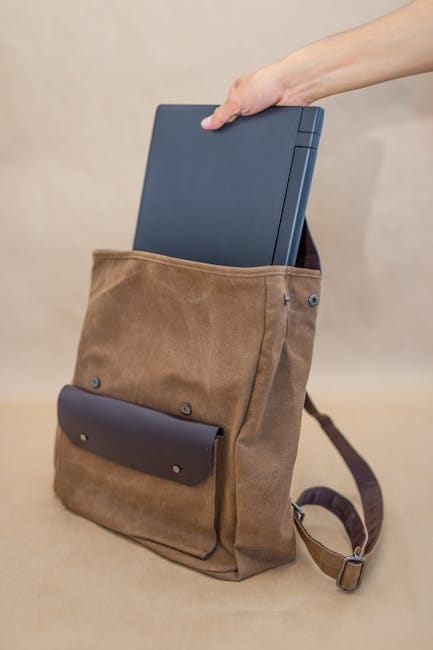
A backpack you carry daily is an extension of how you live. If it doesn't fit your laptop well, organize your gear sensibly, or look appropriate for where you're going, you'll stop using it. You'll buy another. You'll go through this cycle until you find the right one.
Three brands dominate the premium tech-backpack space: Peak Design, Aer, and Bellroy. Each has a distinct design philosophy. Each excels at different use cases. I've owned backpacks from all three. Here's how they compare for real daily carry.
Peak Design Everyday Backpack — $280-310
The photographer's favorite. Designed with camera compartments in mind but usable as a general tech backpack. Weatherproof construction. The magnetic clam-shell opening is iconic and genuinely clever.
Internal organization: FlexFold dividers let you customize the interior. Can hold laptop, camera body with lens attached, additional lenses, and daily essentials simultaneously.
What it does well: specifically built for photographers or people with camera gear. The top and side access via magnetic latches is unusually fast. The aesthetic is sleek and professional.
Sizes: 15L, 20L, 25L, 30L. The 20L is the daily-commute size; 30L is the travel size.
What it doesn't do: pure traveler's luggage. The bucket shape isn't ideal for clothes. Laptop compartment is less protective than pure laptop bags.
Price: $280 for the 20L, $310 for the 30L. Not cheap.
Aer Travel Pack 3 — $249
The business traveler's answer. Opens flat like a suitcase. Separate laptop compartment with external access. Organized pockets for small items.
Internal organization: clamshell opening lets you pack clothes like a suitcase, with compression straps for volume management. Dedicated laptop sleeve with lay-flat access.
What it does well: true one-bag travel. Handles 3-5 day trips with clothes, tech, and accessories. The layout is specifically designed for airport use — laptop access for security, easy clothes packing.
For daily commute use: slightly large. The 28L capacity is more than most daily users need.
Aer also sells smaller packs: Day Pack 3 (16L, $149) for daily use, Fit Pack 3 (18L, $159) for commute plus gym. These are the right picks for pure daily carry.
Bellroy Classic Backpack — $149
The aesthetic choice. Understated Scandinavian design. Woven fabric in various colors. Looks appropriate in any professional context.
Internal organization: dedicated laptop sleeve, quick-access external pocket, clean main compartment. Less modular than Peak Design or Aer, but fine for general use.
What it does well: looking good. The Classic Backpack is a piece you wear that happens to carry things, rather than a functional object first. Great for office environments where a "tech backpack" might look out of place.
At $149, it's the budget-friendly choice of the three. Bellroy makes several other options — Classic Compact, Transit Backpack Plus, Tokyo Backpack — each with slightly different sizes and features.
What each one is best for
Peak Design: photographers and videographers
If you travel with camera gear regularly, nothing beats the Peak Design. The modular dividers are designed specifically for protecting and organizing camera equipment.
Aer: business travelers
If you take multi-day business trips regularly, the Travel Pack 3 is the single bag that handles everything. Clothes for 5 days plus tech plus accessories.
Bellroy: daily commuters in professional environments
If your primary use is commuting to an office or client meetings where you want to look professional, Bellroy Classic Backpack wins on aesthetic.
Peak Design vs Aer for daily use
Peak Design Everyday Backpack 20L is closer to a "city" bag. Bucket shape sits upright. Side access is fast.
Aer Day Pack 3 (16L) is a more traditional backpack shape. Fits to the back better. Looks more conventional.
For an average day of commute, meetings, and coffee shop work: the Aer Day Pack 3 is more comfortable and visually safer. The Peak Design is more photographic-looking and has better side-access for a camera.
The laptop sleeve question
All three brands include laptop sleeves built into the backpack. Quality varies:
Aer: best laptop sleeve. Padded, suspended (laptop doesn't touch the ground when bag is set down), lay-flat access at TSA.
Peak Design: good laptop sleeve. Padded, suspended. Clam-shell opening means less smooth TSA experience.
Bellroy: adequate laptop sleeve. Padded but not suspended — laptop can contact ground if bag is set down heavily. Still fine for daily use.
For frequent travelers, Aer's laptop access is a small but real advantage.
Water resistance
All three have water-resistant fabrics. Peak Design is the most weatherproof — the bags are tested for light rain and splashes. Aer is also water-resistant with coated fabrics. Bellroy is the least water-resistant but still handles light weather.
For daily urban use, all three are fine. For outdoor-focused use or rain-heavy climates, Peak Design is the best choice.
What to avoid
Avoid generic "tech backpacks" under $80. The construction quality is poor, the laptop sleeves aren't properly padded, and the materials degrade quickly.
Avoid overpriced "minimalist" backpacks over $400 unless you have a specific reason. The premium brands at $150-300 cover most legitimate needs.
Avoid backpacks with TSA-specific branding (shields, military aesthetics). They attract the wrong attention and often look like they're trying too hard.
Avoid backpacks with exposed USB charging ports on the outside. The feature sounds useful but is functionally strange — you need to plug your power bank inside the bag, then route a cable through a small hole. The novelty doesn't justify the trade-off.
Organization accessories
Regardless of which backpack you buy, internal organization accessories improve the experience:
Peak Design Tech Pouch ($60): organized pouch for cables, chargers, small electronics. Compact.
Bellroy Classic Pouch ($45): clean organization pouch. Multiple card slots and small pockets.
Aer Cable Kit ($35): purpose-built cable and accessory kit.
Spend $45-60 on an organization pouch. Your cables and chargers stay organized, you don't lose things at the bottom of the bag, and finding what you need takes seconds instead of minutes.
Material considerations
Peak Design: 400D recycled nylon exterior. Weather-resistant, tough, modern feel.
Aer: 1680D Cordura ballistic nylon. Extremely durable, slightly stiffer feel. Used in military and outdoor gear.
Bellroy: woven recycled polyester. Softer feel, more consumer-friendly aesthetic. Less rugged than the other two.
For durability over 10+ years: Aer's Cordura wins. For daily professional use where appearance matters most: Bellroy's softer material looks better with age.
The sizing question
Backpack capacity is measured in liters:
- 15L: minimal daily carry. Laptop plus essentials only.
- 20L: standard daily carry. Laptop, water bottle, small accessories, light meal.
- 25-30L: daily carry with gym clothes or overnight capability.
- 30-35L: one-bag travel for 3-5 days.
- 40L+: extended travel or bulky items.
For daily office use, 16-20L is the sweet spot. Bigger bags encourage carrying more than you need.
Fit and comfort
All three brands have padded shoulder straps. Peak Design and Aer have better padded waist belts (detachable) for longer wear. Bellroy's waist strap is less padded.
For long wear (3+ hours with laptop and gear), consider adjusting the back panel and straps carefully. A loose backpack sags away from your body, straining the shoulders. A snug one moves with you.
Test fit before buying if possible. A backpack that doesn't fit your torso length is uncomfortable regardless of how well-designed it is.
The honest recommendation
For a daily commuter: Aer Day Pack 3 at $149. Right size, good organization, comfortable.
For a traveler plus commuter: Aer Travel Pack 3 at $249. Handles both use cases well.
For a photographer: Peak Design Everyday Backpack 20L at $280.
For an aesthetic-conscious office worker: Bellroy Classic Backpack at $149.
The long-term perspective
A good backpack lasts 5-10 years with normal use. The cost per year is $15-30.
Compare this to throwing away cheap backpacks annually. The premium backpack is cheaper over time and significantly more satisfying to use daily.
Buy once, use for years. That's the move for daily-carry items. All three brands deliver on this promise. Pick the one that fits your specific use case and don't second-guess the choice.