Action Camera Buyer's Guide 2026: Why the £250 DJI Beats the £600 GoPro for Most Men
GoPro's £599.99 Mission 1 Pro brings a new 1-inch sensor and 8K60 video, but the discounted £250-£272 DJI Osmo Action 5 Pro delivers most of what men actually need for a fraction of the price.
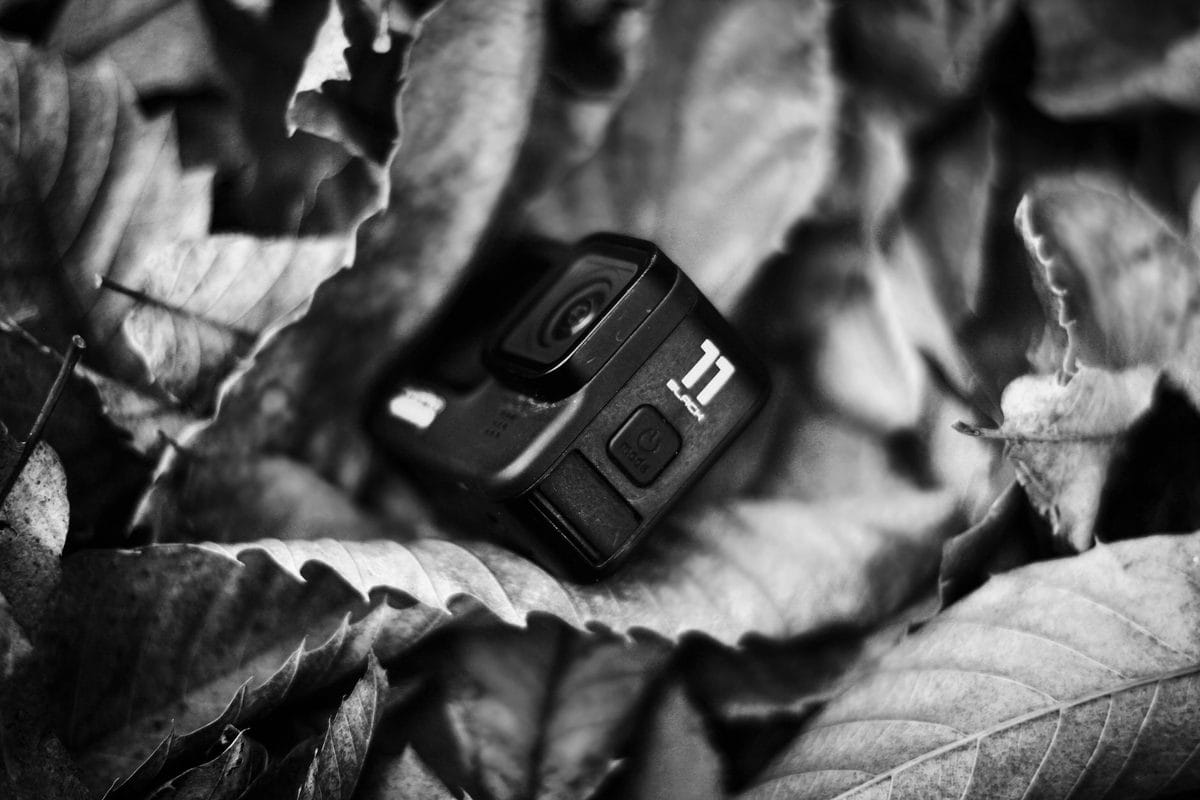
Three cameras, three very different bets on your money
Walk into any UK camera counter this month and you'll see the same trio fighting for the same shelf space: GoPro's Mission 1 Pro, DJI's Osmo Action 6, and the Insta360 Ace Pro 2. Only one of them is worth the full asking price for most men buying an action camera to actually use rather than to review. GoPro's Mission 1 Pro has been shipping since 28 May at £599.99 (or £509.99 if you're a GoPro subscriber), built around a genuinely new 1-inch, 50-megapixel sensor and GoPro's own GP3 processor. It shoots 8K at 60fps, adds 8K Open Gate 4:3 capture for editors who like to reframe later, and survives to 20 metres underwater without a housing. On paper it's the most capable action camera GoPro has ever made. Take it to a beach in Cornwall or halfway up a via ferrata in the Alps, though, and that 8K60 spec is doing almost nothing useful — the gap between spec sheet and lived experience is the whole story here.
What £600 actually buys you
An 8K60 spec most buyers will never watch at full resolution.
Start with what the Mission 1 Pro genuinely gets right, because it isn't a bad camera — it's an expensive one aimed at a narrow slice of buyers. The 1-inch sensor is a real jump over the smaller chips GoPro has used since the Hero line began, and it shows in low light: shadow detail on an overcast Welsh coastal path holds up noticeably better than anything the Hero13 Black could manage. Battery life is solid too, at over three hours of continuous 4K30 recording, stretching to five hours if you drop to 1080p30 Endurance mode. But 8K60 footage eats storage and processing time in a way most men never account for until they're staring at a laptop fan running full tilt during export. Unless you're delivering broadcast-spec footage or building a serious YouTube channel around the camera itself, you're paying a premium for resolution you'll downscale to 4K before anyone watches it. That's not a knock on the engineering. It's a mismatch between the product GoPro built and the way most buyers will actually use it.
DJI's own product line is quietly arguing against itself
Here's the part nobody at DJI will say out loud: the Osmo Action 6, launched on 18 November 2025 at £329 for the Standard Combo, has made its own predecessor the smarter buy. The Action 6 is a genuinely clever camera — a 1/1.1-inch square sensor, the first variable aperture on any action camera at f/2.0 to f/4.0, IP68 waterproofing to 20 metres without a case and 60 with one, plus 13.5 stops of dynamic range through DJI's D-Log M colour profile. That variable aperture matters more than the spec sheet suggests, because it lets the sensor throttle incoming light on a bright ski slope instead of relying purely on shutter speed and ND filters. Good luck holding your line on a mountain bike descent while thinking about ND filters.
Since the Action 6 launched, though, UK retailers have been discounting the Osmo Action 5 Pro — the camera it replaced — down from its original £329 RRP to a regular £250–£272. Buy the value pick: the Action 5 Pro at £260 delivers roughly 90% of what most men actually need from an action camera, and the £60–£70 you save covers a spare battery, a chest mount, and a decent microSD card with change left over. The Action 6's variable aperture is a genuine step forward for anyone shooting into direct sun or fast-changing light, but if your footage is mostly weekend surf sessions, dog walks, and the odd cycling commute, you won't miss it.
Insta360's Ace Pro 2 plays a different game entirely
At £410, the Ace Pro 2 sits between the two DJI models and undercuts the GoPro by nearly £190, and it's built for a specific kind of buyer: the one who edits on their phone before the ride is even over. Its 180-degree flip touchscreen gives a genuinely bigger, more usable framing view than the split dual-screen layout on both the GoPro and the DJI cameras, which matters more than it sounds like when you're trying to nail a selfie-mode shot one-handed. The Leica-branded lens and built-in AI editing tools push hard toward the content-creator crowd rather than the weekend-warrior crowd, and its 8K capture comes with enough caveats — frame-rate limits, no built-in storage — that treating it as an 8K camera at all slightly misses the point. Insta360 knows exactly who it's selling to, and it isn't the man packing for a two-week Alps trip who wants one camera that just works.
The risk factor nobody puts on a spec sheet
There's a detail worth weighing before you commit £600 to any single-brand ecosystem: GoPro has been reported to be exploring a sale of the company through much of 2026, with its long-term future far from settled. That doesn't mean the Mission 1 Pro will stop working next year, and GoPro has weathered ownership uncertainty before without abandoning existing hardware. But it's a legitimate factor when you're buying into proprietary batteries, a dedicated app ecosystem, and accessories like the £159.99 Wireless Mic System or the £149.99 Media Mod that only work with this exact camera. DJI and Insta360 both have broader, more diversified businesses behind their camera divisions — drones and gimbals for DJI, a wider imaging portfolio for Insta360 — which makes a five-year commitment to their accessory ecosystems a lower-risk bet by comparison.
Match the camera to what you'll actually film
If you're filming primarily in bright daylight or fast-changing light — skiing, mountain biking, open water where reflections swing exposure around constantly — the Osmo Action 6's variable aperture earns its £329 asking price and its £69 premium over the Action 5 Pro. If you're the type who reviews footage on your phone and posts before you've even changed out of your wetsuit, the Ace Pro 2's flip screen and editing tools at £410 solve a real problem the other two don't address at all. And if your footage is mostly holidays, kids' sports days, and the occasional hike, the discounted Osmo Action 5 Pro at £250–£272 is, frankly, the only sensible choice among these four cameras — it does 95% of what the Mission 1 Pro does for under half the price.
None of this makes the Mission 1 Pro a bad camera; it makes it the wrong camera for most people reading a buyer's guide rather than a professional cinematography brief. GoPro built something genuinely impressive with that 1-inch sensor and the GP3 processor, and if you're shooting content that's actually going to be graded, delivered in 8K, and watched on a screen large enough to notice the difference, the extra £340 over an Action 5 Pro is defensible money well spent. For everyone else — and that's the overwhelming majority of men buying their first serious action camera this year — the smarter move is the DJI sitting in the discount bin because a newer model showed up. Buy last year's flagship, save the difference, and spend it on a second battery and a proper mount instead. You'll notice the extra battery a lot sooner than you'll notice the missing two frames per second at 8K.